
The Artist · Editorial
A photographer messages you on a Tuesday: a test shoot on Saturday, a stylist already booked, a model from a good agency. There is no fee, but the images could be published. That is how many editorial careers begin, and it is still the most common route into makeup artist jobs for magazines. This guide explains how editorial tests, magazine submissions, tear sheets and credits work today. It is part of the career hub for professional makeup artists, and every magazine listed below was checked in October 2026.
The short answer
Makeup artist jobs for magazines usually start with unpaid editorial tests. A team of photographer, model, stylist and makeup artist creates a story, then submits it to magazines that accept outside work, often through a platform such as Kavyar. Published pages become tear sheets, which help artists find agents and paid editorial bookings.
In this guide
- How makeup artist jobs for magazines really work
- Editorial tests: where most published work begins
- How magazine submissions work now
- Magazines that accept submissions (checked October 2026)
- Tear sheets, credit lines and rights
- An editorial kit for tests
- From tests to paid work: agents and editors
- Building a name one story at a time
- Questions worth asking

How makeup artist jobs for magazines really work
There are two kinds of magazine work, and it helps to keep them apart. The first is commissioned work: an editor or photographer books a team for a specific story, and the makeup artist is paid. At the largest titles, those bookings usually go through agents. The second is submitted work: a team creates a story on its own and offers it to magazines that publish outside editorials. This work is rarely paid, but it is how most artists earn their first published pages. Over time, the second kind of work leads to the first. Editors and agents look at what you have published, who you have worked with and how consistent your work is.
For a working makeup artist, that means magazine work is a long game. Bridal, events and commercial jobs usually pay the bills while editorial work builds your name. Many artists set aside a few days each month for tests and submissions, the way other professionals set aside time for training. The aim is not volume. Instead, aim for a small number of strong stories that show range: clean beauty, color, texture and character. Each one should look like it belongs in the magazines you want to work for. In addition, keep careful records of every team member and every credit, because you will need them when the work is published. Most makeup artist jobs for magazines are won by artists who treat this admin as part of the craft.
One story, not a sample of techniques
The most common mistake is to treat every shoot as a chance to show everything you can do. Magazines want a clear story, not a sample of techniques. A strong editorial usually has one idea carried through every look: a color, a texture, a mood or a reference. Your makeup should support that idea and change slightly from look to look, so the story builds. For that reason, plan the faces as a set before the shoot, not one at a time on the day. Sketch them, choose the products and agree on them with the photographer and stylist. Above all, remember that the image is the product, so test your makeup on camera before the model arrives.
Editorial tests: where most published work begins
A test shoot is a collaboration in which no one is paid and everyone receives images for their own use. Photographers test to build their books, models test to build theirs, and makeup artists, stylists and hairstylists do the same. Tests are usually organized by a photographer or a model agency, though an artist can organize one too. Before you agree to a test, ask three questions. Who else is on the team? What is the concept? And who will submit the images, and where? The answers tell you whether the shoot will produce work worth publishing. A good team with a clear idea is worth more than any single famous name.

Put the basics in writing, even for an unpaid shoot. A short message or agreement should name the team, the date, the concept, how images will be shared and how each person will be credited. It should also say who may submit the story to magazines, because most publications accept a story only once. If two team members submit the same images to different titles, both submissions can be rejected. Meanwhile, agree on retouching: makeup artists often ask to see the final edit before submission, so the skin and color match what they created. Finally, ask when you will receive the images, so you are not waiting months for a single finished file. Clear terms keep good teams working together.
Face Forward by Kevyn Aucoin — a reference for editorial faces
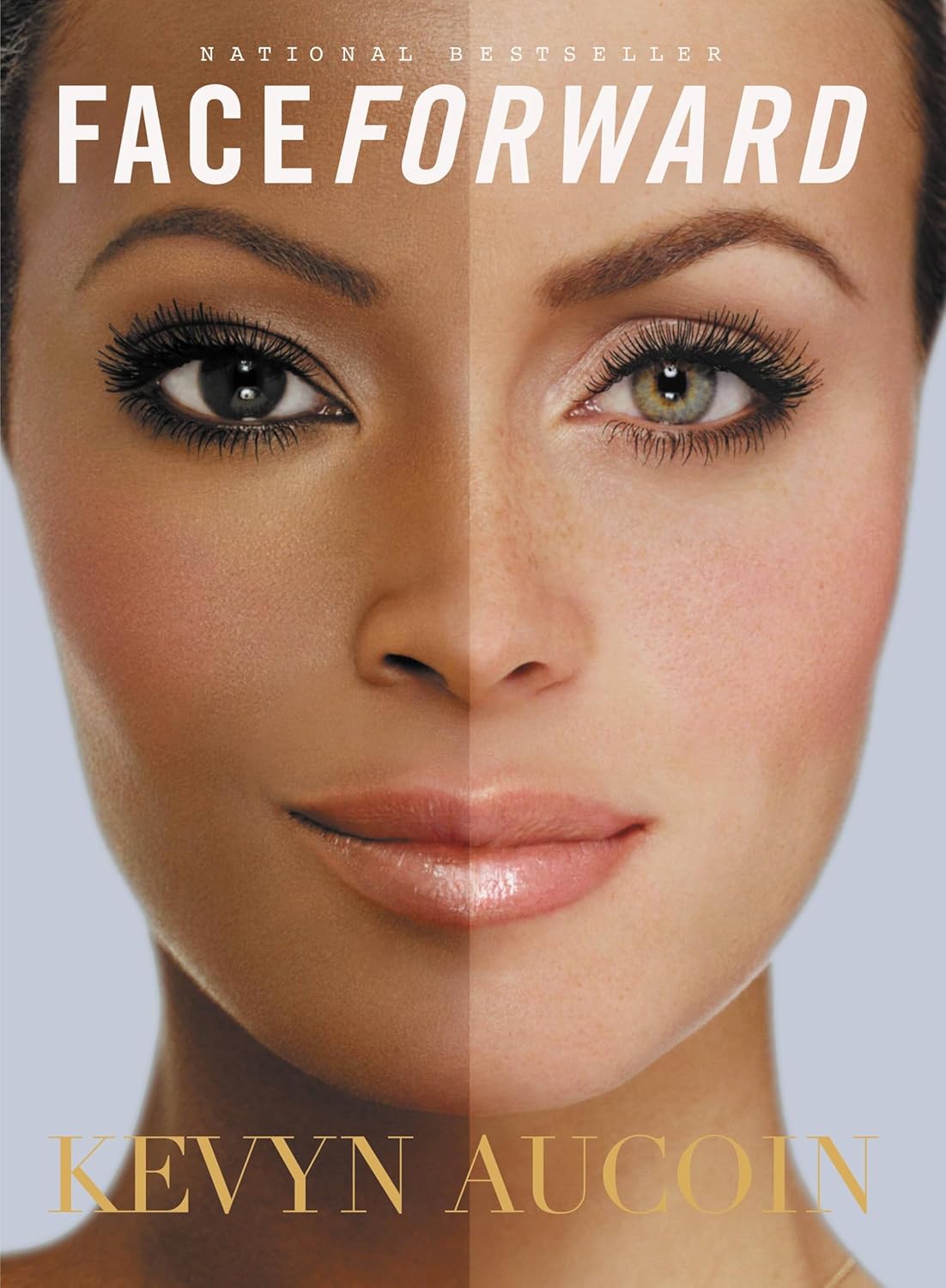
A visual book by the late makeup artist Kevyn Aucoin, built around dramatic before-and-after transformations of well-known faces. It is a useful reference for planning editorial looks, because it shows how far makeup can change a face and how each change was built. Study one transformation before each test, then adapt the idea to your own concept. Keep notes in the margins on the techniques you try.
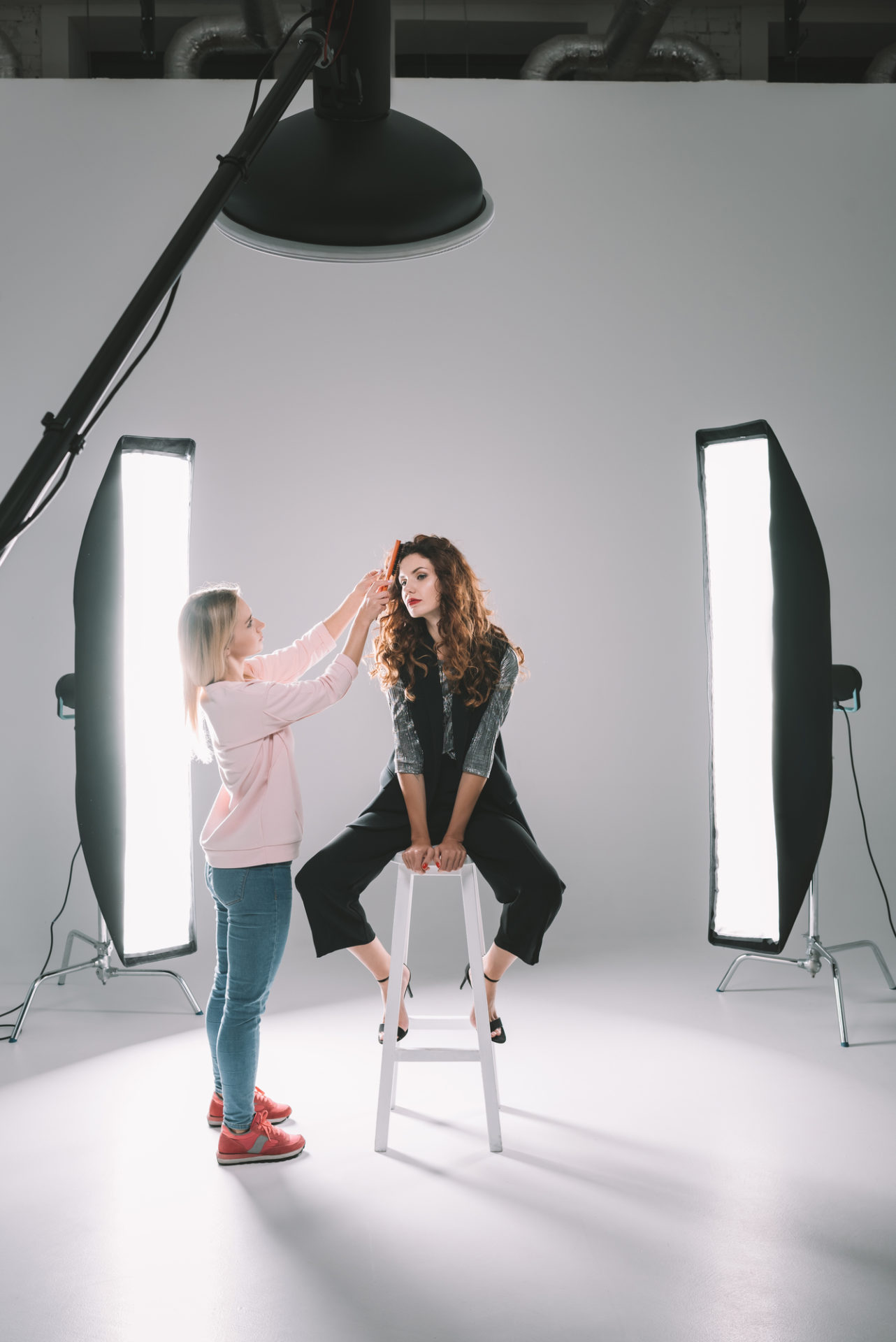
The team matters as much as the makeup. A test with a skilled photographer, a strong model and a thoughtful stylist will look like an editorial even if the makeup is simple. A test with a weak team will rarely be published, however good your work is. For that reason, build relationships with photographers whose work you admire and who are submitting regularly. Look closely at their published credits, not just their follower counts. Meanwhile, be easy to work with: arrive early, bring a clean, organized kit and work quickly between looks. Photographers remember the artists who make a long, demanding shoot feel calm, and they book them again and again.
Your portfolio is where tests turn into bookings. Choose only your strongest images, and edit your book so it tells editors what kind of artist you are. A clear point of view, such as clean skin, graphic color or character work, is easier to book than a little of everything. Update the book every few months, and remove older images as better ones arrive. In addition, keep a separate folder of behind-the-scenes photos of your makeup in natural light. Editors and agents sometimes ask to see the makeup without heavy retouching, so they can judge the skin work itself. That folder can quietly win you a booking on its own.
How magazine submissions work now
Many independent magazines publish editorials submitted by outside teams, in print, online or both. They are sometimes called submission magazines, and they are where most artists earn their first credits. Most now take submissions through online platforms rather than email. The largest is Kavyar, whose Get Published page listed 339 magazines taking submissions for fashion, beauty and art in October 2026. The process it describes has three steps: choose a call for work, upload the photos and add credits, then wait for a decision. Some calls are free to submit, while others are open only to paid members, so check the terms before you upload. For many artists, these platforms are now the main source of makeup artist jobs for magazines.

Every magazine sets its own guidelines, and they are not optional. Most ask for a set number of images or looks, a minimum resolution and full credits for every team member. Many ask for exclusivity, meaning the story has not appeared anywhere else, including on social media. Some ask that the copyright holder, usually the photographer, submits the work and signs a publication release. Meanwhile, themed calls, such as a beauty issue or a seasonal print edition, have deadlines and specific briefs. Read the brief twice before you shoot for it. In other words, plan the submission before the test, not after it, and choose a target magazine when you choose the concept. Note the deadline in your calendar on the same day.
Bobbi Brown Makeup Manual — for strengthening the fundamentals
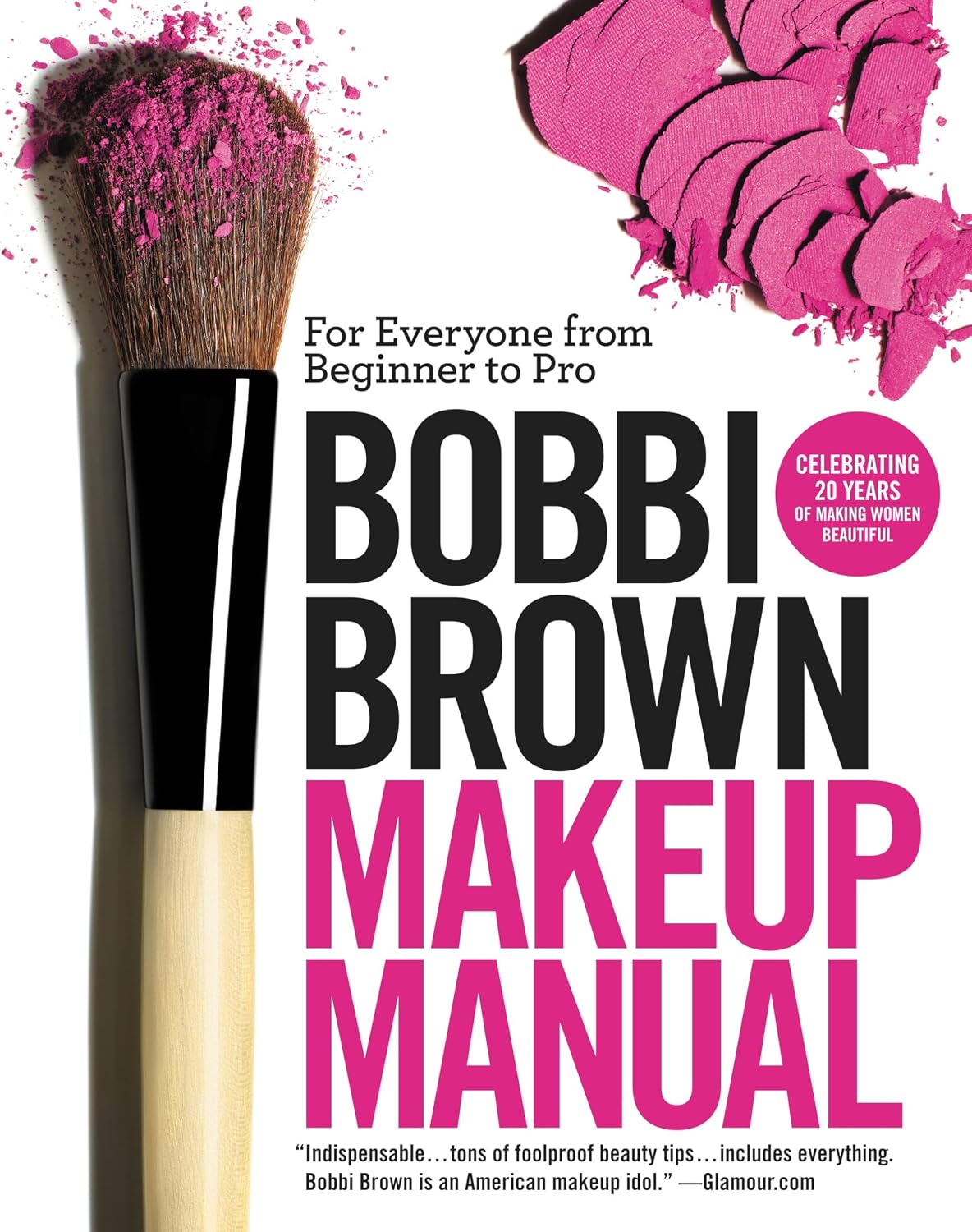
A practical manual by the makeup artist and founder Bobbi Brown, covering skin, tools, color and techniques from beginner to professional level. Editorial work rests on clean fundamentals, and this book is a reliable refresher on base, brows and eyes. Use its chapters as a checklist before a test shoot. It also covers the business side of a makeup career.
Magazines that accept submissions (checked October 2026)
The titles below each had a working submissions page when we checked them in October 2026. Guidelines change often, so always read the current page before you submit. We removed several magazines listed in earlier versions of this guide: one site now belongs to an unrelated business, and others were offline or no longer had a submissions page. This is a starting list, not a ranking. Beyond these titles, Kavyar’s directory is the best place to find current calls by genre, deadline and fee. Meanwhile, look at each magazine’s recent issues before you submit, and only send stories that fit its style. A good fit matters more than prestige.
Kaltblut (Berlin)
Kaltblut is a Berlin magazine covering fashion, art, photography and music. Its submissions page asks for each story to arrive as a small PDF rather than as single images, and it states that fashion editorials must include at least four looks and ten pictures. Submissions go directly to the editor for each section, and the magazine says it will make contact only if it wants to publish the work. If a story is accepted, the full guidelines are sent by email. For a makeup artist, the four-look minimum is a useful planning rule: design four related faces, not one. In addition, keep the PDF light, so it opens quickly on an editor’s phone.

Féroce Magazine (Glasgow)
Féroce is an independent fashion, photography, art and culture publication based in Glasgow, Scotland. Its submit page welcomes work from photographers, stylists, makeup artists and other members of editorial teams, including beauty editorials, for its print and digital magazine. It recommends submitting through Kavyar for a faster response and also lists an email address for enquiries. Notably, it asks that the copyright holder submits the images, because contributors must sign a publication release form. In practice, that means your photographer usually submits, and your job is to make sure your credit is correct. Send the photographer your exact credit line before the submission goes out.
Scorpio Jin Magazine (Miami)
Scorpio Jin is a Miami-based fashion and beauty publication that takes submissions through its Kavyar page. In October 2026, it listed three calls for work for its November print issue, including a beauty call with its own theme. Themed calls like these suit makeup-led stories, because the brief tells you exactly what the editors want. Read the call closely, including the number of images, the deadline and any fee. Then build your concept around the theme rather than forcing an existing shoot to fit. Meanwhile, check the magazine’s recent covers and editorials, so your lighting, styling and retouching sit comfortably beside them.
Tear sheets, credit lines and rights
A tear sheet is a published page that shows your work, named for the days when artists tore pages out of printed magazines. Today, a tear sheet can be a scan of a print page, a screenshot of an online feature or a PDF supplied by the publisher. Save every one at the highest quality you can, with the magazine name, issue and date. Credit lines matter just as much. Send the photographer your credit in a consistent format, such as your full name and your professional handle, and check it before publication. An editor who sees the same name across several stories begins to remember it. Mistakes are hard to fix after an issue goes to print.
Dunwell 11×14 Presentation Book — for printed tear sheets
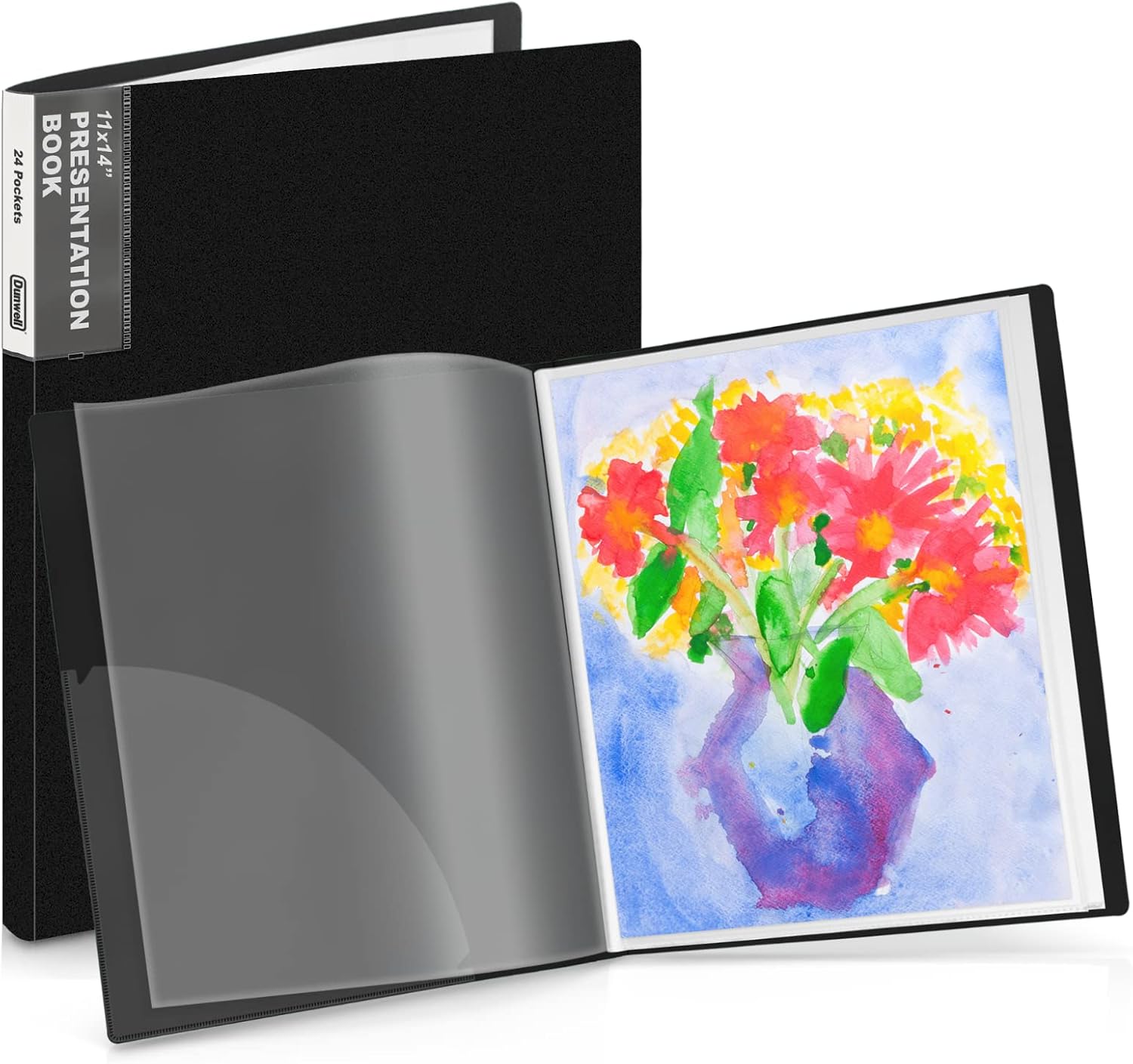
A black presentation book with clear sleeves that display up to 48 pages at 11 by 14 inches. It suits printed tear sheets and portfolio prints for agency meetings, where a physical book still makes an impression. Arrange the pages so each spread pairs well. Replace older pages as new tear sheets arrive.
Rights are the part most artists overlook. In most editorial shoots, the photographer owns the copyright to the images, and the magazine receives permission to publish them. Your right to use the images in your portfolio and on social media usually comes from your agreement with the photographer. For that reason, confirm in writing that you may use the final images for self-promotion, and agree on when. Many magazines ask teams not to post images before the issue is published. After publication, credit the magazine and the full team every time you share the work. That courtesy keeps doors open for your next test.

Online, your tear sheets work hardest when they are easy to find. Add a published-work page to your website, with each magazine listed by name and issue. On social media, pin your strongest published stories and mention the magazine in the caption. Editors and photographers often check an artist’s profile before replying to a message, so make that first impression count. Meanwhile, keep captions short and credits complete. Our guide to an Instagram bio that books clients explains how to set up a profile that works for editorial and bridal clients at the same time. Review your profile each season, and update the pinned stories whenever a new issue is published. Small, regular updates keep the profile current and credible.
An editorial kit for tests
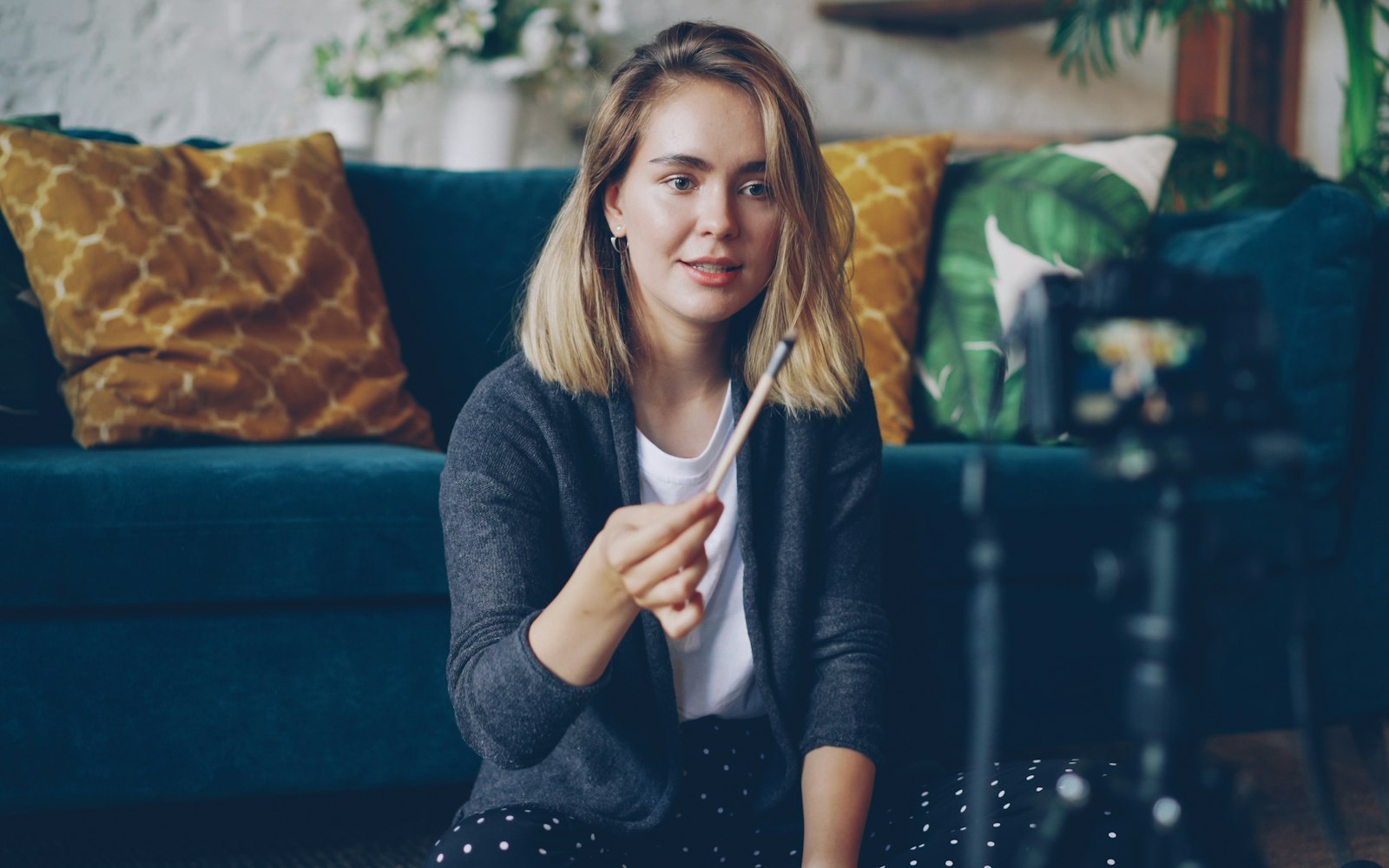
Editorial tests reward a compact kit built for color, texture and speed. You will often change the face between looks in a few minutes, under hot lights, while the photographer waits. For that reason, choose products that apply cleanly, remove easily and photograph true to color. Graphic liners, a reliable black liner, wispy lashes and a skin product that adds glow cover a surprising number of editorial looks. In addition, pack plenty of cotton swabs, micellar water and clean brushes for quick changes. Test every new product on camera before the shoot, because some colors shift under flash. The products in this section are chosen for that kind of fast, camera-facing work, and each one is easy to find and replace.
NYX Professional Makeup Vivid Brights Liquid Liner — for color on the lid
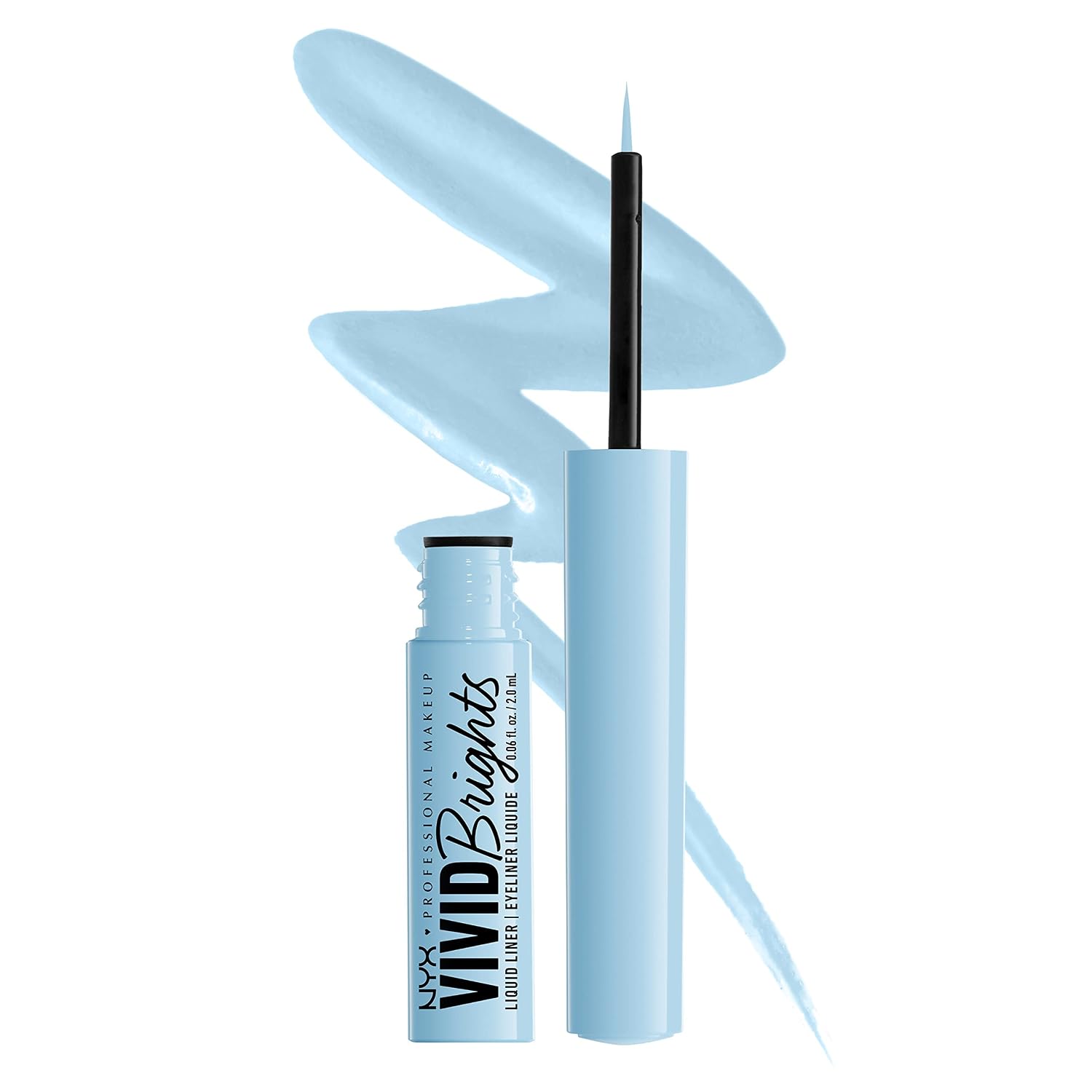
A saturated liquid liner in bright shades with a fine tip, made for graphic color. It is useful for floating lines, colored wings and small geometric details, all common in editorial beauty. Let each layer dry before adding another. Remove mistakes with a pointed cotton swab and micellar water.
Color work needs a clean structure underneath. Start with even, well-prepared skin and a neutral brow, so the color reads as intentional. Map the graphic shape lightly with a pencil or a strip of tape before you commit to liquid. Then build the line in short strokes from the outer corner inward, and check symmetry from a distance, not only in the mirror. Meanwhile, ask the photographer to shoot a test frame early, because a line that looks sharp in person can look thick on a high-resolution image. Adjust the line width from that frame before you continue. Finally, photograph each look in daylight between setups for your own records, with the products used.
A precise black line is the backbone of many editorial faces, from a sharp wing to a thin line along the lower lashes. It needs a liner that holds a clean edge under hot lights and survives a long day of changes. Rest your elbow on a steady surface and draw the line in short connected strokes rather than one sweep. For wings, place a small dot where the tip should end, then connect it to the lash line. Meanwhile, keep the model’s eyes open and looking down while you work on the upper lid. Clean the edges with a pointed swab and a touch of concealer, then check the line in a test frame.
Revlon ColorStay Liquid Liner, Blackest Black — a precise black line
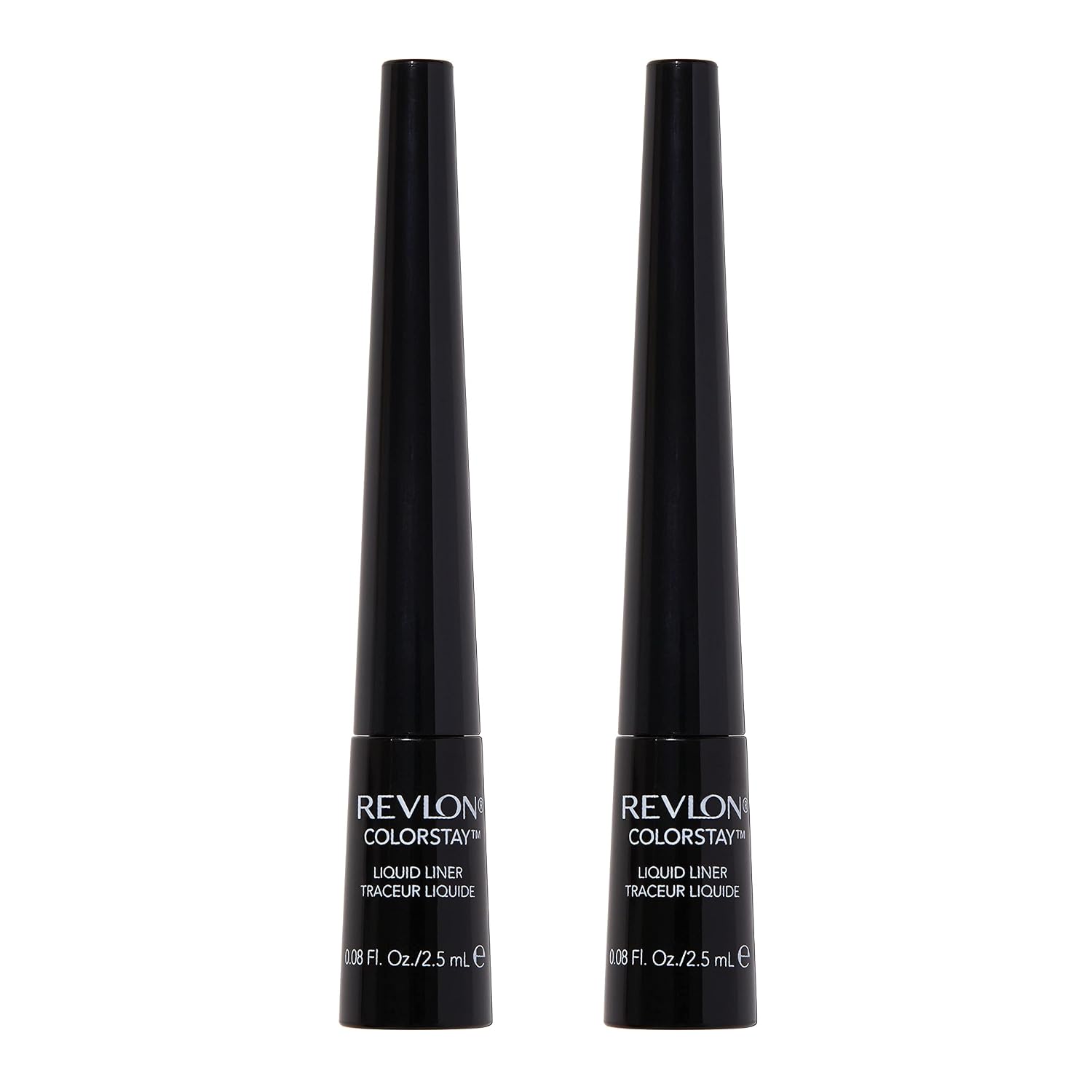
A long-wearing black liquid liner with a fine tip, sold in a pack of two. It holds a crisp edge for graphic wings and lower-lash details through a long shoot. Keep one for clients and one as a backup. Close the cap tightly between looks so the tip does not dry out.
Water-activated liners are the editorial artist’s quiet favorite. They come as pressed cakes that you wet with a clean brush, and they give flat, opaque color that dries quickly. That makes them ideal for floating crease lines, painted details such as small flowers and bold color blocks. Use distilled water in a small cup, and change it between faces. Build thin layers, because a thick coat can crack as it dries. In addition, keep a damp cotton swab ready for clean edges, and work from light colors to dark. Remove the color with micellar water or a gentle cleanser at the end of the day, and never sleep in it.
MEICOLY Water-Activated Eyeliner Palettes, 2 Pack — for painted color
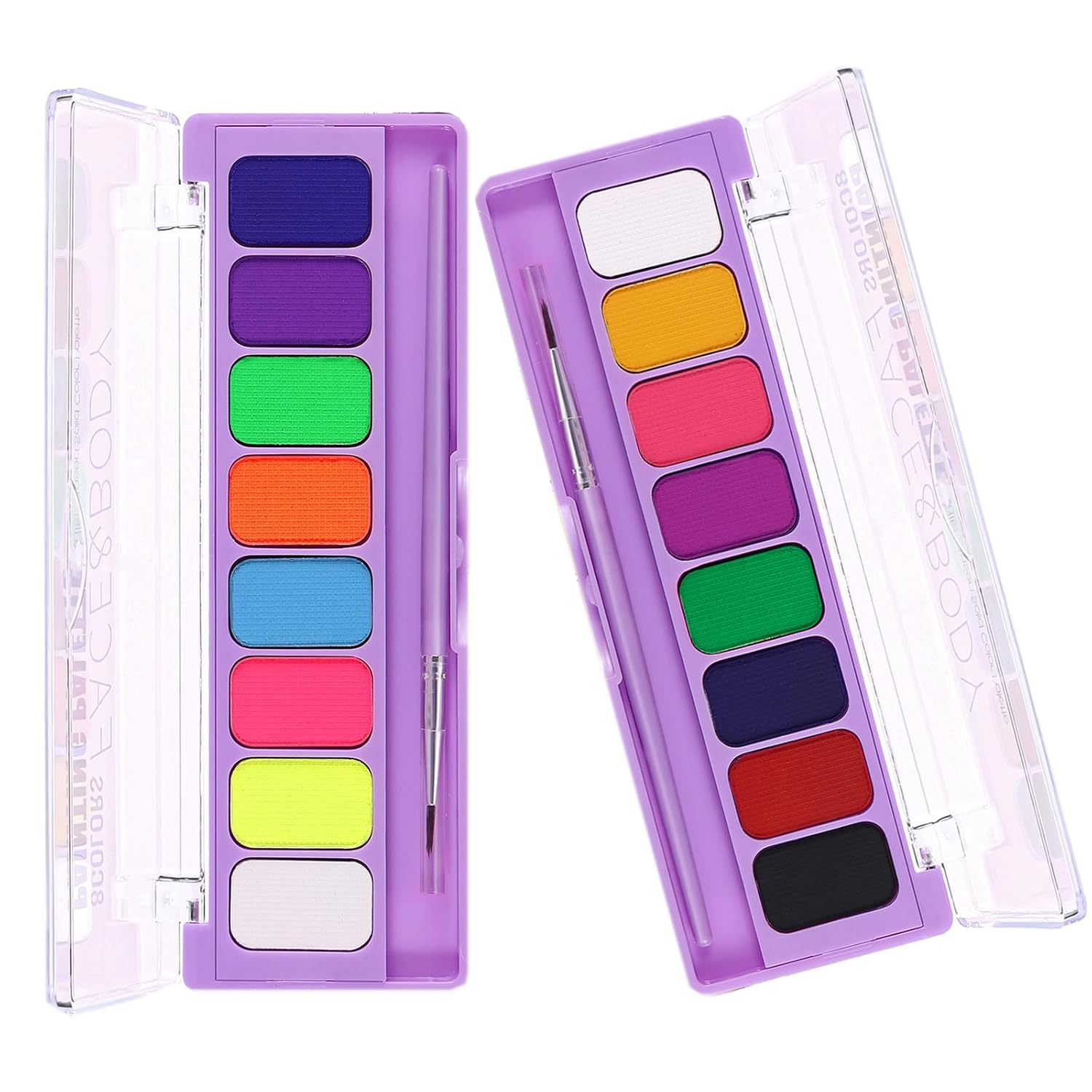
Two compact palettes of water-activated cake liners in bright and neon shades. Wet a fine brush with distilled water to paint graphic lines, dots and color blocks. The neon shades also react under blacklight, which suits concept shoots. Patch test on the inner arm first, and keep the color away from the waterline.
Lashes are one of the fastest ways to change the mood of a face between looks. A soft, wispy strip adds definition without looking heavy in close-up beauty shots. Trim the strip to the model’s eye before you apply glue, starting from the outer corner. Then let the glue turn tacky before placing the lash, and press it gently into the lash line with the back of a tweezer. Meanwhile, keep a spare set for every model, because lashes are easy to lose between setups. Use a new pair for each model and never reuse strips across different faces. Finally, check the lash line closely in the first test frames.
Ardell Demi Wispies False Eyelashes — soft definition for close-ups
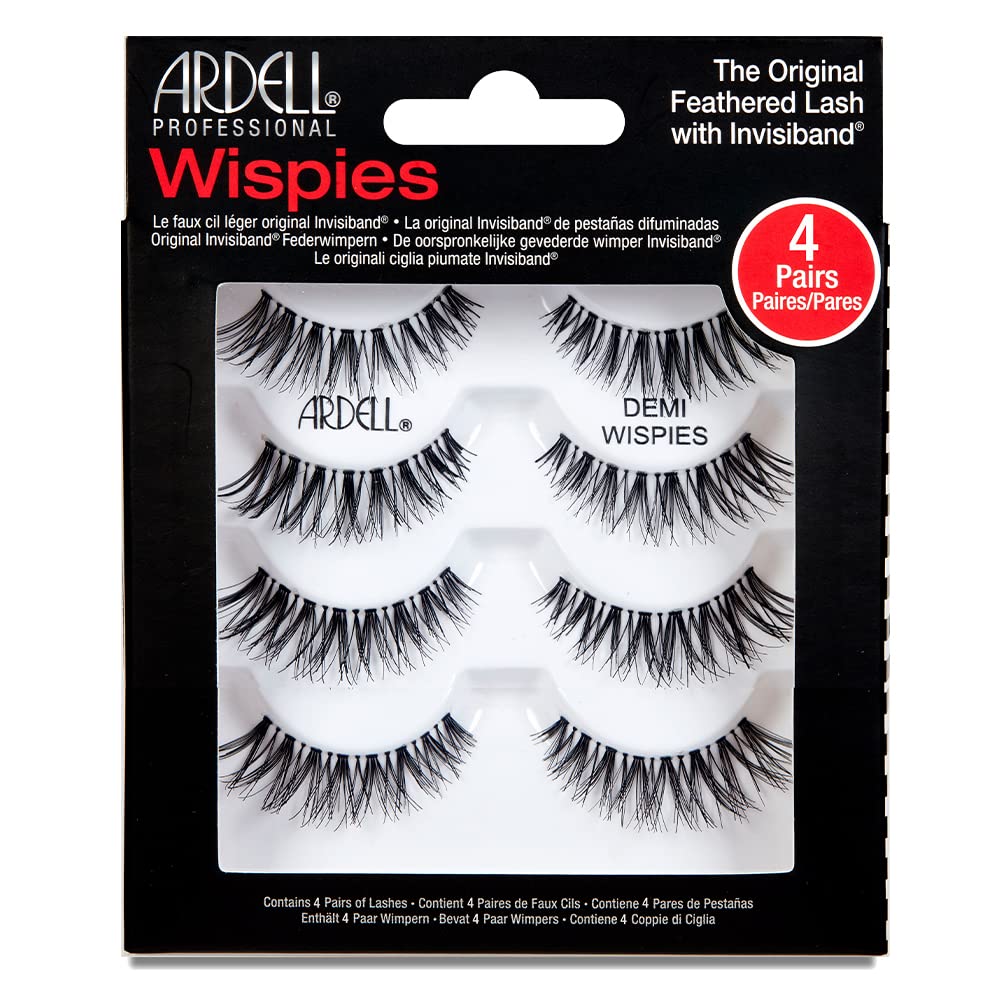
A light, wispy strip lash that adds definition without looking heavy on camera. It suits beauty close-ups and natural editorial looks. Trim each strip to the model’s eye before applying, and use a fresh pair for every model. Store spares flat in their tray between shoots.
Skin finishes change fashion by fashion, but glowing, believable skin rarely goes out of style in beauty editorials. A complexion booster worn alone or under foundation gives a lit-from-within finish that photographs well. Apply it with fingers or a damp sponge, pressing it into the high points of the face. Then add coverage only where it is truly needed, so natural skin texture still shows. Meanwhile, blot the T-zone between frames, because glow and oil look similar on camera. For beauty close-ups, ask the retoucher to keep pores and fine texture, so the skin still looks real. That realism is what many beauty editors and readers want to see now.
e.l.f. Halo Glow Liquid Filter — a glowing base for beauty shots
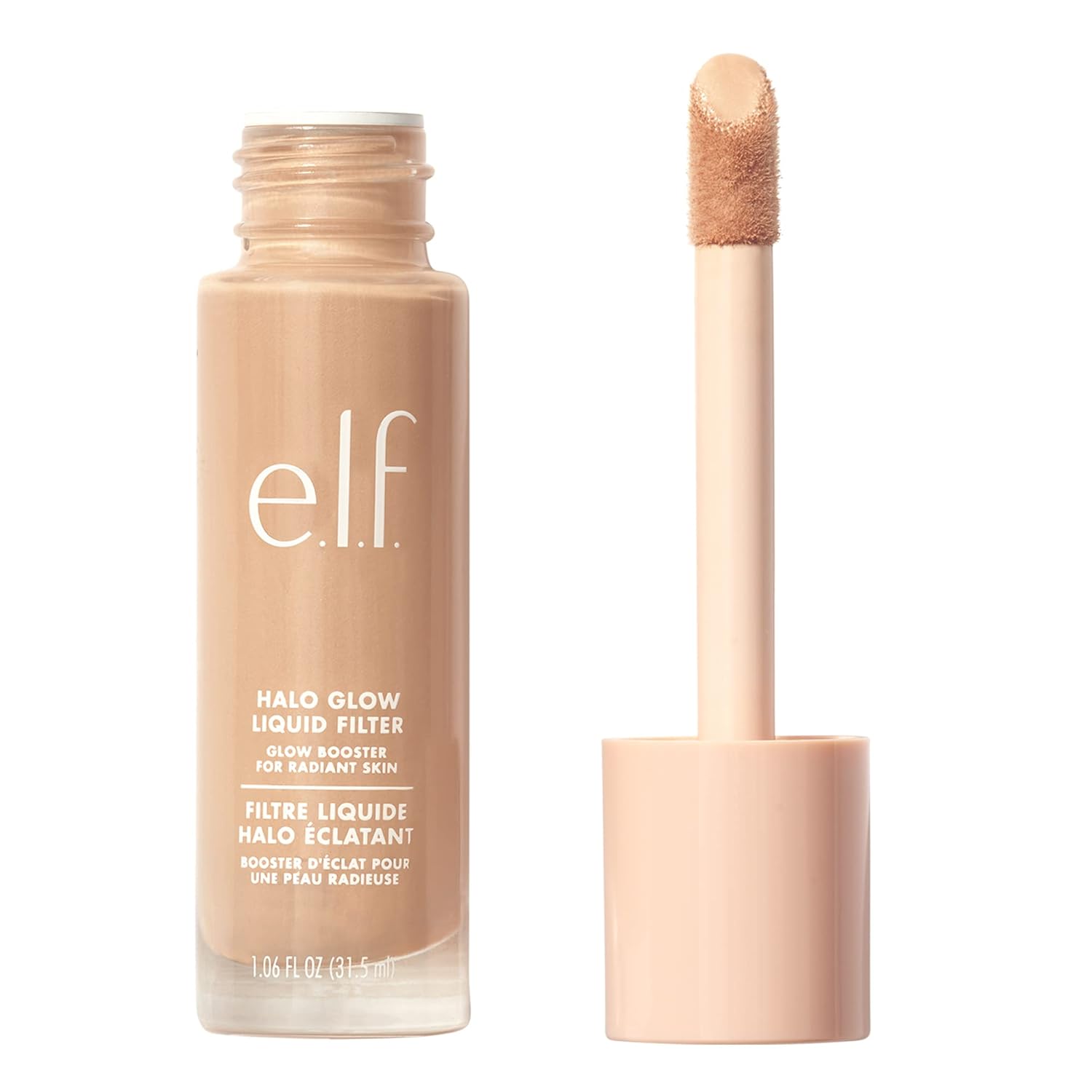
A liquid complexion booster that adds glow on its own, under foundation or mixed into it. It gives skin a soft, radiant finish that reads well in beauty close-ups. Press it onto the high points of the face with a damp sponge. Blot the T-zone between frames.
From tests to paid work: agents and editors
Once you have a set of published stories, paid editorial work becomes possible. At the larger magazines, makeup artists are usually booked through agencies, which represent a roster of artists and negotiate fees and usage. Agencies look for a consistent point of view, published work with strong teams and a professional attitude on set. Many artists start by assisting an established editorial artist, which teaches the pace of a magazine shoot and builds relationships with photographers and editors. Meanwhile, keep testing, because agencies want to see that your work is current. Approach agencies only when your book feels finished, and follow their stated process for submissions. Paid makeup artist jobs for magazines usually follow from that representation.

Even without an agent, you can be booked directly. Photographers who shoot for magazines often bring their own teams, so your best route to paid work may be the photographer you tested with last year. Stay in touch with every photographer whose work you respect. Share your new tear sheets with them, congratulate them on their own published work and tell them when you have dates free. In addition, local and regional magazines, brand lookbooks and online publications often pay modest fees and value reliable artists. Those jobs build experience, income and credits at the same time. Over a few years, the credits add up.
Sources
Sources checked October 2026
Building a name one story at a time
Makeup artist jobs for magazines rarely arrive all at once. They grow from tests with good teams, carefully chosen submissions and a portfolio that shows a clear point of view. Each published story becomes a tear sheet, and each tear sheet makes the next booking easier. Along the way, the habits that matter most are simple: plan the story before the shoot, agree on credits and rights in writing and keep your kit clean and organized. Above all, choose collaborators whose work you admire. In editorial work, the company you keep becomes part of your reputation. Start with one test this month and plan where it will be submitted before you shoot.
Tools and library

The three tools above support the business side of editorial work. The calculator helps you set day rates for paid editorial, commercial and bridal jobs, so unpaid tests stay a choice rather than a habit. Meanwhile, the quiz helps you decide whether editorial, bridal, film or counter work suits you best, which shapes the stories worth shooting first. The library gathers the career guide, notebooks and workbooks, including pages for shoot planning and credit records. Start with the quiz if you are still choosing a direction. If you are already testing, start with the calculator and set a rate for paid editorial days. Revisit all three as your career grows.
From the Artist Library
Editorial, bridal and set work each follow their own path. The guide covers portfolios, agencies and pricing, in plain terms.
Questions worth asking
How do makeup artists get published in magazines?
Most start with unpaid editorial tests, then the team submits the story to magazines that accept outside work, often through a platform such as Kavyar.
Are makeup artist jobs for magazines paid?
Commissioned work for established titles is usually paid, often through agencies. Submitted editorials for independent magazines are usually unpaid but build tear sheets.
What is a tear sheet?
A published page that shows your work, saved as a print scan, a screenshot of an online feature or a PDF from the publisher.
Who submits an editorial to a magazine?
Usually the photographer, as copyright holder. Some magazines, such as Féroce, ask the copyright holder to submit and sign a publication release.
Do I need an agent to work for magazines?
Not at first. Agents usually represent artists who already have published work, and many artists are booked directly by photographers.
Which magazines accept makeup submissions?
In October 2026, Kaltblut, Féroce and Scorpio Jin had working submission pages, and Kavyar listed 339 magazines taking submissions.
